

We’re here…
P.O. Box 832, Hedgesville, WV 25427
Email: bluemf2015@gmail.com
Phone: 304-886-1881
Facebook/bluemountainfarmwv

and we’re in these places too…


Thursdays 5— 6:30 pm St James Catholic Church
Charles Town, WV

Sundays
11 am — 1 pm Community Center at German
and King Streets

Farm to Table nutrition program at various Berkeley and Jefferson county locations, spring, summer, and fall
Re-opens Saturday April 2026 9 am – Noon At Samuel and Washington Streets


Cheers!
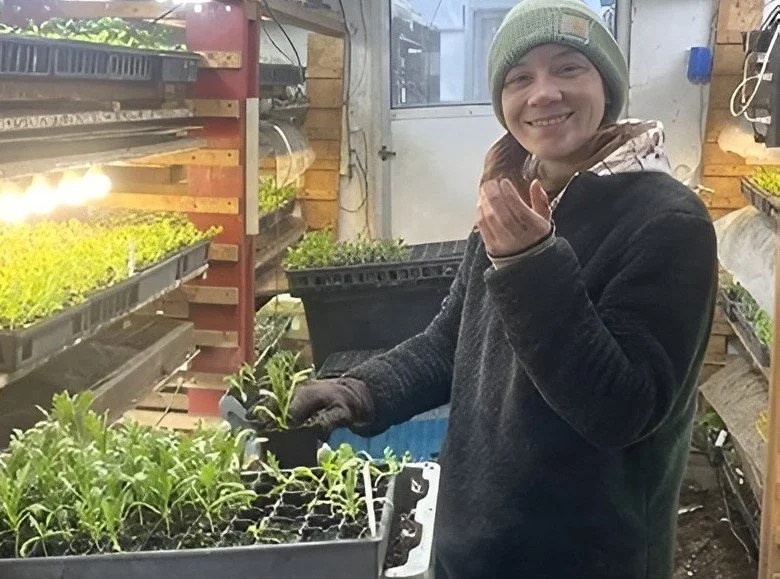
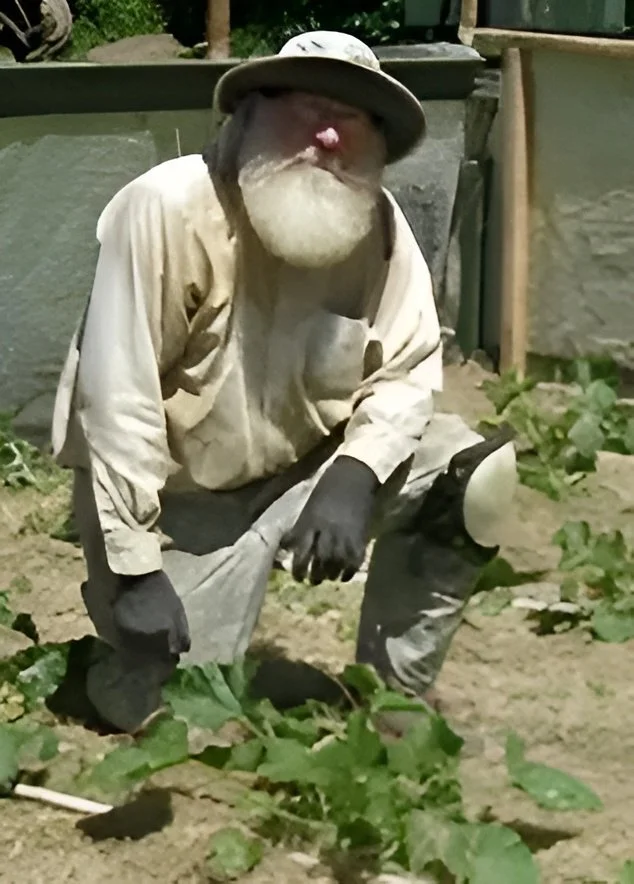
Farming is a lot of work, for sure, but it has plenty of fun moments, too. Whether we're horsing around, telling tales or just taking a break, we make time for smiles.
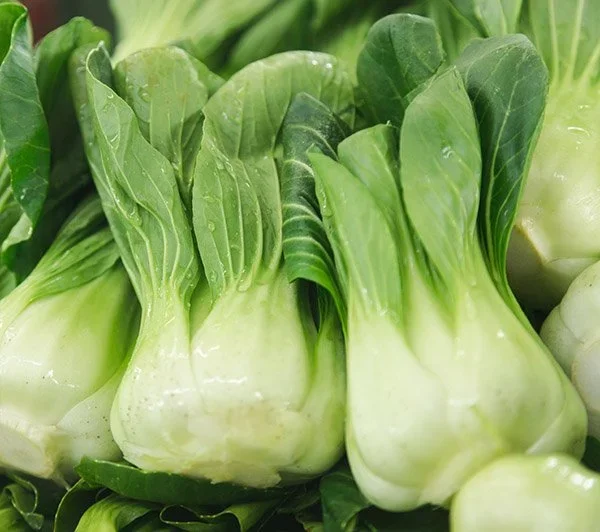
Our Veggie of the Day: Tatsoi
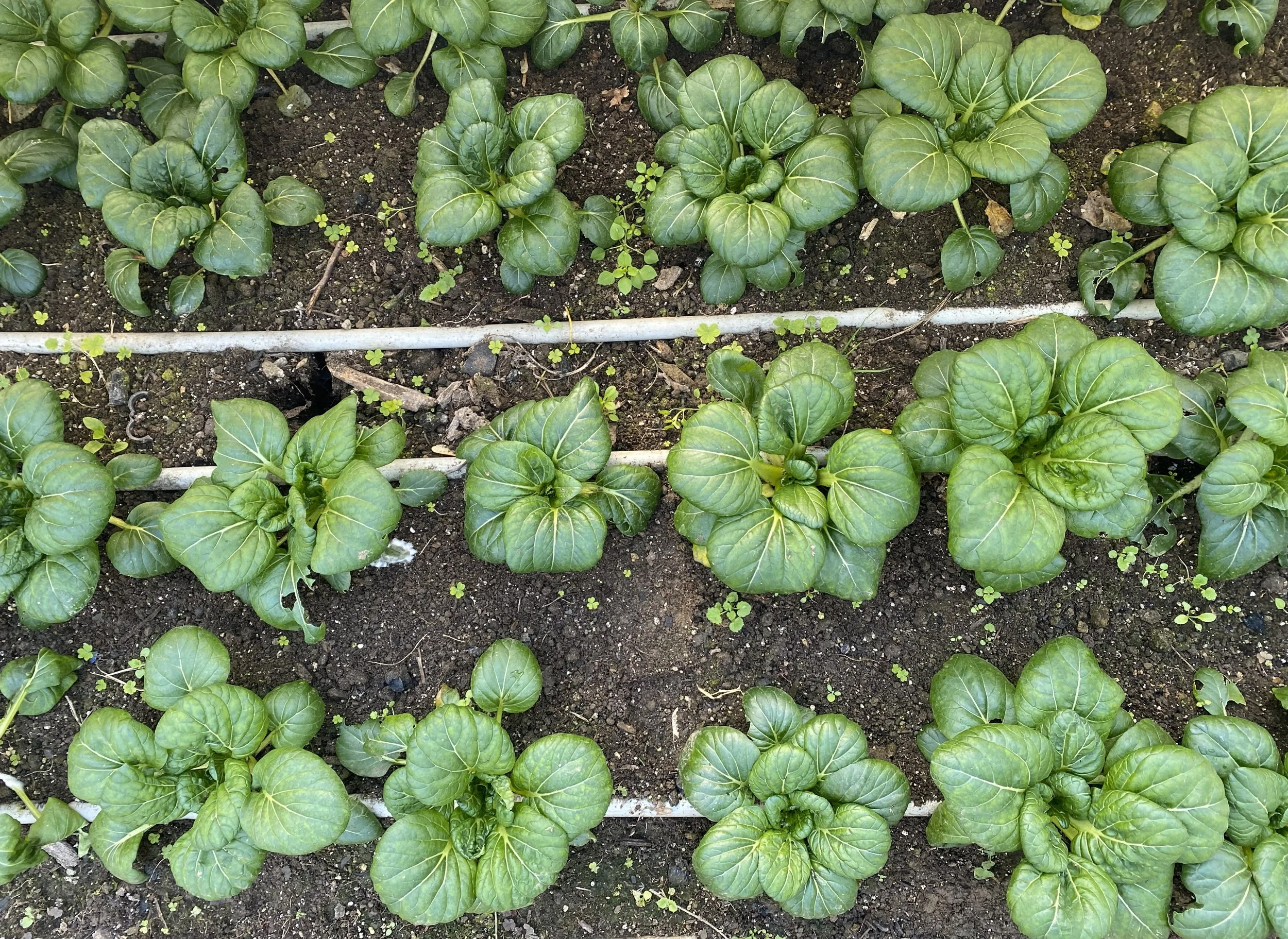
Tatsoi naturally grows along the Yangtze River in China, where they call it wūtācài (乌塌菜) translating to ‘dark drooping veggie.’ Some other translations call it ‘spoon mustard’ because of the cup shaped leaves.
It’s often described as having a soft and buttery texture and a delicate but distinct taste. Tatsoi can be added to any salad and even pesto. It can also be served as a garnish on any dish.
It’s usually prepared by cutting off the stiff outer stems but keeping the inner stems and all the leaves, providing a quick add that boosts the nutrition of all your dishes. With high levels of vitamin C, folic acid, calcium and more, it’s a staple food in most Asian countries, especially during the winter when it’s tossed into stir-fries and soups to stay warm.
Most of what we grow are old standbys, reliably in every kitchen from week to week. But some of Blue Mountain Farm’s favorites are less known. From Asian greens not used in western dishes, to old varieties of squash and heirlooms, we grow things with flavors and tastes that are new to many people. Our Veggie of the Day feature aims to introduce you to the vegetables that don’t usually get the spotlight. While we want you to keep loving tomatoes and kale, come back every few days to see our new featured veggie and find another staple to keep in your kitchen.
While we grow Tatsoi year-round, it thrives the most in the cold. With the ability to withstand and keep growing in temperatures as low as 15° F it can even be harvested from under snow. It grows from seed to maturity in less than 60 days. It still thrives in the low light of winter days.
By Henry Culvyhouse
Mountain State Spotlight
West Virginia state officials have not released a report that analyzes the effects of a spending bill that President Donald Trump dubbed “the Big Beautiful Bill” on the state.
With around 50 percent of West Virginia’s operating budget coming from federal sources, the Mountain State stands to be hurt worse than most states by federal spending reductions.
Estimates by the West Virginia Center on Budget and Policy show that in the upcoming 2026 state budget, the state will need to spend an additional $7.5 million to take on an increase in administrative costs for the Supplemental Nutritional Assistance Program, also known as food stamps.
The spending bill also freezes tax increases on healthcare providers, whose revenues are used to pay for state portions of Medicaid. That could cost at least $40 million, because the state won’t have an avenue to raise more money, according to the center.
During a September meeting of the Joint Committee on Government and Finance, Speaker of the House Roger Hanshaw, R-Clay, asked Deputy Secretary of Revenue Mark Muchow if his office had run the numbers on the spending package.
WV “Big Beautiful Bill”
By Lori Kersey
West Virginia Watch
Foodborne illnesses involving raw milk exposure have increased after West Virginia legalized direct-to-consumer sales, according to information from the state’s Department of Health.
Consuming raw or unpasteurized milk, which can be a health risk, has been legal in West Virginia since 2016 through herd shares, which allows people to pay a monthly fee to buy a share of a dairy herd and get a portion of the milk produced.
In 2024, lawmakers passed House Bill 4911, which allows the direct sale of raw milk.
According to the state Department of Health, between 2014 and 2023, West Virginia averaged about four foodborne illnesses per year among people who reported raw dairy as an exposure. Between 2016 and 2024, the state investigated a single suspected outbreak involving raw milk.
Since House Bill 4911 became law in June 2024, the state has had 12 foodborne illnesses where raw milk has been reported to have been an exposure, the state health department said. In the same time frame, the state has not investigated any outbreaks involving raw milk.
The illnesses reported include five cases of Campylobacteriosis, which causes diarrhea and spreads to people from animals, including cows; four cases of salmonella, a bacteria that causes diarrhea, fever and stomach pains; two cases of Shiga toxin-producing Escherichia coli or STEC, an illness that can cause diarrhea, abdominal pain, and fever, and can lead to kidney failure; and one case of Giardiasis, an illness caused by a parasite that causes stomach cramps, bloating, upset stomach and loose stools.
Raw milk illnesses
Recipe
Tofu and tatsoi stir-fry
Chop tatsoi into bite size pieces
In a pan add sesame oil and tofu on medium heat and cook until golden and crispy, remove from pan set aside
Add garlic and ginger into the same pan, cook until fragrant, add soy sauce and chopped tatoi
Add in salt and pepper
Stir frequently until tatsoi is tender, then stir in tofu
Ingredients
2 large tatsoi
3 cloves garlic
1 tsp fresh ginger
2 tsp soy sauce
sesame oil
salt and pepper
block of tofu
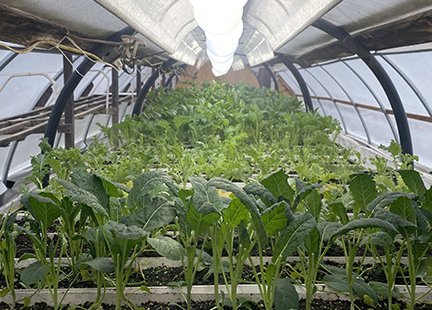
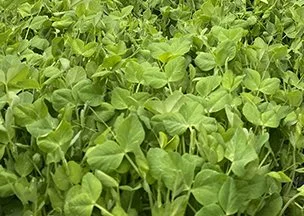

Adding a lot of green (and a little red) to winter’s gray
Growing greens and vegetables is a year-round proposition for Blue Mountain Farm. That includes working through the Thanksgiving to New Year holiday season, the cold winds of January, the snows of February and the lingering winter days of March.
Like more and more other small-scale farmers, we’re learning to produce crops through the entire 12-month cycle of seasons in order to maintain cash flow, stay connected with our customers, and keep our helpers on board through the lean winter months.
It makes for a busy schedule -- planting, growing, harvesting — then planting, growing and harvesting — again and again. And it’s always something of an experiment, to see what works in this season of short days, long nights and blasts of frigid wind and sinking temperatures.
Farmer Dave Elliott and staffer Austen Nurenberg have been working with cold-tolerant North American greens, northern European cultivars and Asian vegetables to develop salad mixes and table dishes that are not only nutritious, but tasty and colorful too.